

Many parents are surprised to learn that baby teeth play an important role long after they first appear. Because these teeth eventually fall out, it’s easy to assume that a cavity or infection isn’t a major concern. However, healthy primary teeth help children eat comfortably, speak clearly, and guide permanent teeth into their proper positions.
An untreated infection in a baby tooth can sometimes affect the developing permanent tooth beneath it. While this doesn’t happen in every case, it’s one reason pediatric dentists recommend evaluating dental pain, swelling, or signs of infection as soon as possible.
At Gateway Little Smiles, we partner with parents to help protect children’s smiles through prevention, early diagnosis, and personalized care. Understanding why baby tooth infections matter can help families make informed decisions about their child’s oral health.
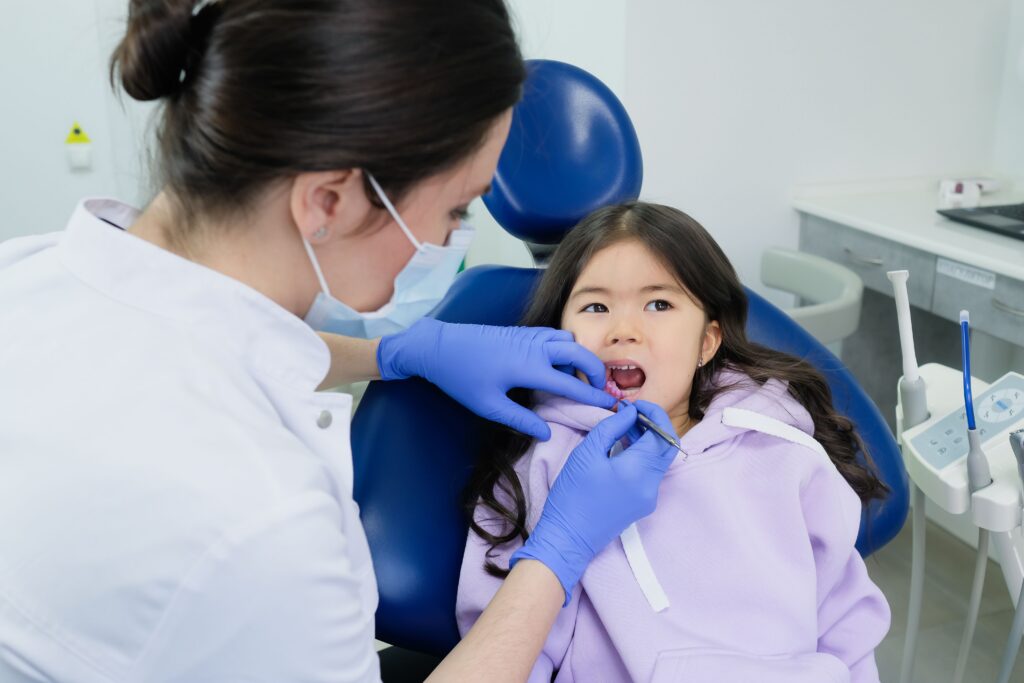
Why Baby Teeth Are So Important
Baby teeth do much more than help children chew food.
They also:
- Hold space for permanent teeth
- Support normal speech development
- Help children maintain proper nutrition
- Contribute to healthy jaw development
- Build positive oral health habits early in life
When a baby tooth is lost too early because of untreated decay or infection, nearby teeth may begin shifting into the empty space. This can sometimes affect how permanent teeth erupt later.
What Causes a Baby Tooth Infection?
Most infections begin when tooth decay progresses beyond the outer enamel and reaches the inner portion of the tooth, where the dental pulp contains nerves and blood vessels.
Bacteria may enter the pulp through:
- Untreated cavities
- Cracked or injured teeth
- Dental trauma
- Large areas of decay
Once bacteria reach the inside of the tooth, the infection may spread into the surrounding tissues if left untreated.
Can an Infection Affect the Adult Tooth?
Yes, in some situations.
Permanent teeth begin developing beneath baby teeth well before they erupt into the mouth. If an infection becomes severe or remains untreated, it may affect the surrounding bone and the developing permanent tooth.
Potential complications may include:
- Delayed eruption of the permanent tooth
- Changes to enamel development
- Damage to surrounding tissues
- Premature loss of the baby tooth
- Increased discomfort or swelling
Fortunately, early diagnosis and treatment greatly reduce the likelihood of these complications.
Signs Parents Shouldn’t Ignore
Children don’t always recognize or explain dental pain clearly.
Parents should contact a pediatric dentist if they notice:
- Persistent tooth pain
- Swelling around the gums or face
- A pimple-like bump on the gums
- Sensitivity when eating
- A darkened or discolored tooth
- Bad breath that doesn’t improve
- Fever accompanied by dental symptoms
These signs don’t always indicate an infection, but they should be evaluated promptly.
How Pediatric Dentists Treat Infected Baby Teeth
Treatment depends on the location and severity of the infection, your child’s age, and the condition of the tooth.
After a comprehensive examination, your pediatric dentist may recommend monitoring, restorative treatment, or another approach designed to protect your child’s oral health.
Some children may benefit from a pulpotomy, which removes the infected portion of the pulp while preserving the healthy part of the tooth whenever appropriate.
In other situations, a tooth extraction may be recommended if the tooth cannot be safely restored.
Every treatment recommendation is individualized based on your child’s specific needs.
Prevention Is Always the Best Approach
The best way to protect both baby teeth and permanent teeth is to prevent infections from developing whenever possible.
Healthy habits include:
- Brushing twice each day with fluoride toothpaste as recommended
- Helping younger children brush thoroughly
- Limiting sugary snacks and drinks
- Attending regular pediatric dental exams
- Following your pediatric dentist’s preventive recommendations
Routine dental visits allow problems to be identified early, often before they become painful or require more extensive treatment.
Helping Children Feel Comfortable During Treatment
Learning that your child may need dental treatment can feel stressful.
At Gateway Little Smiles, we use our Tell, Show, Do approach to explain procedures in age-appropriate ways that help children understand what to expect before treatment begins.
For children who need more extensive treatment or who have unique healthcare needs, additional behavior guidance or sedation options may be discussed when clinically appropriate following a professional evaluation.
Our goal is always to create positive dental experiences while providing the care children need to maintain healthy smiles.
Protect Your Child’s Smile for Years to Come
Baby teeth may be temporary, but the role they play in your child’s development is lasting. Prompt treatment of tooth decay and infections helps protect comfort today while supporting healthy permanent teeth in the future.
If your child is experiencing tooth pain, swelling, or other concerning symptoms, don’t wait to seek care. Schedule an appointment with Gateway Little Smiles to have your child’s smile evaluated by our experienced pediatric dental team. We’re here to help families make informed decisions while creating positive dental experiences every step of the way.
Frequently Asked Questions
Can an infected baby tooth damage the permanent tooth?
In some cases, a severe untreated infection may affect the developing permanent tooth beneath the baby tooth. Early evaluation and treatment help reduce this risk.
Will an infected baby tooth always need to be removed?
Not necessarily. Treatment depends on the severity of the infection, the condition of the tooth, and your child’s individual needs. Your pediatric dentist will recommend the most appropriate option after an examination.
What are signs of a baby tooth infection?
Possible signs include tooth pain, swelling, gum tenderness, a pimple-like bump on the gums, tooth discoloration, or sensitivity when eating. These symptoms should be evaluated by a pediatric dentist.
Why are baby teeth important if they eventually fall out?
Baby teeth help children chew, speak, and maintain space for permanent teeth. Keeping them healthy supports normal oral development and long-term dental health.
How can parents help prevent baby tooth infections?
Regular brushing, healthy eating habits, routine pediatric dental visits, and early treatment of cavities all help reduce the risk of infection.